
Property Line Markers to Check Before Sidewalk or Curb Improvements Begin
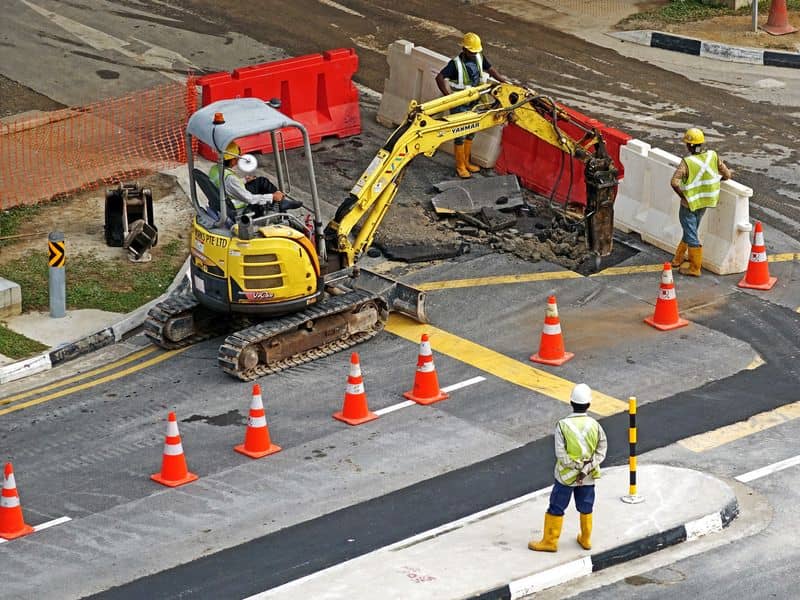
A small iron pin buried near a sidewalk can hold more weight than it looks. It may be one of the few physical clues showing where your lot ends and public land begins. Sidewalk and curb projects dig, cut, and pour right where these markers tend to sit, and a single pass of an excavator can wipe one out. The smart move is simple. Find and document your property line markers before any concrete comes out, protect them during the work, and confirm they’re still right when the project ends.
Which Property Line Markers Matter Near Sidewalk Work
Many owners assume the property line runs along the curb. That’s often wrong. The sidewalk and the strip of grass beside it usually sit in the public right-of-way, which is land set aside for streets, utilities, and walkways. Your front line may be a few feet behind the sidewalk, or it may run through it, and only a survey can tell you which.
Some markers aren’t on the corner itself. A surveyor may set an offset or witness marker when the true corner falls in a spot where a pin can’t safely go, such as under a curb or in a driveway apron. The survey map should note the offset distance, so keep a copy handy. Without that note, an offset pin can look like it marks the corner when it doesn’t.
Checking Markers Before Existing Concrete Is Removed
The best time to check markers is before demolition starts. Once old concrete is broken up, markers set in or under it are often gone for good. Pull out your most recent survey and look for corners shown near the street.
Then walk the frontage and look for what the map shows. A metal detector can help find buried pins, and a careful probe with a shovel can confirm them. If the survey is old or you can’t find the markers, a surveyor can locate or reset them and give you a clear record before the project begins.
Take photos of each marker you find with something in the frame for scale. Measure from each marker to fixed features like the house, a fence post, or a utility pole. These tie measurements make it much easier to rebuild the picture later if something goes missing.
If your property is part of a city or town sidewalk program, ask the project office whether their crews will survey or protect boundary markers. Practices vary by municipality and project scope. Don’t assume someone else has it covered.
When Curb Improvements Approach the Property Boundary
Curb work usually happens farther from private land than sidewalk work, but not always. Wider curbs, new ramps, driveway aprons, and drainage inlets can reach toward the boundary. On narrow city lots, the right-of-way line and the front of the building can sit very close together.
Before work starts, confirm where the design places new concrete compared with your property line. A contractor’s plans may show the right-of-way line, but it’s worth checking that line against your own survey. If the two don’t match, raise it with the project engineer or the municipality early. Small differences can matter when a new apron, step, or retaining edge ends up on the wrong side.
Private owners doing their own curb or apron work should be extra careful. Replacing a driveway apron often means working partly on public land, and permits may be required. Check with the local permit office about what’s allowed and whether a survey is needed before approval.
Protecting Survey Markers During Excavation and Construction
Protecting a marker is much cheaper than replacing one. Flag each known marker with bright paint, a lath stake, or survey ribbon, and point it out to the crew lead before the first cut. A quick walk-through with the contractor takes minutes and prevents most damage.
Here are a few practical steps:
- Mark each pin clearly and note its location on a copy of the plans
- Ask the contractor to avoid parking equipment or stockpiling material on marked spots
- Request a heads-up before any digging within a few feet of a marker
- Keep your photos and tie measurements where you and the crew can find them
Some markers will sit right where concrete has to go. In that case, a surveyor can set reference points outside the work area before the marker is removed. After the concrete cures, the surveyor uses those points to reset the corner in the new surface. Rules about disturbing survey markers vary, so talk with a licensed surveyor before anyone pulls one out.
Rechecking Property Lines After Sidewalk or Curb Work
When the project wraps up, go back and check each marker. Look for pins that were bent, knocked loose, buried under new soil, or covered with fresh concrete. A marker that moved even a few inches no longer shows the true corner, and that’s often worse than a missing one because it looks trustworthy.
If anything is missing or disturbed, call a surveyor to reset it. The surveyor will use your old survey, nearby markers, and the reference points set before construction to put the corner back. Ask for an updated drawing or letter showing what was reset so your records match the ground.
This pays off later. A fence project, a sale, or a question from a neighbor may depend on these markers years from now. Having them checked while the work is fresh saves time and cost down the road.
Frequently Asked Questions
What do property line markers look like?
Most property line markers are iron pins, rebar, or pipes driven into the ground, often with a cap stamped with a surveyor’s license number. Others include concrete monuments, nails in pavement, or small crosses cut into concrete. Many sit a few inches below the surface and can be hard to see. A metal detector or a surveyor can help find them.
Does my property line end at the curb?
In many cases, your property line does not end at the curb. The sidewalk and nearby grass strip often sit in the public right-of-way. Your line may be behind the sidewalk or pass through it. A boundary survey is the best way to know exactly where it falls.
Who is responsible if a contractor destroys a marker?
Responsibility can depend on the contract, the project owner, and local rules. Some public projects include plans to protect or reset markers, while private jobs may not. Documenting markers before work starts gives you a clear record if a question comes up. For legal questions, talk with an attorney or the agency running the project.